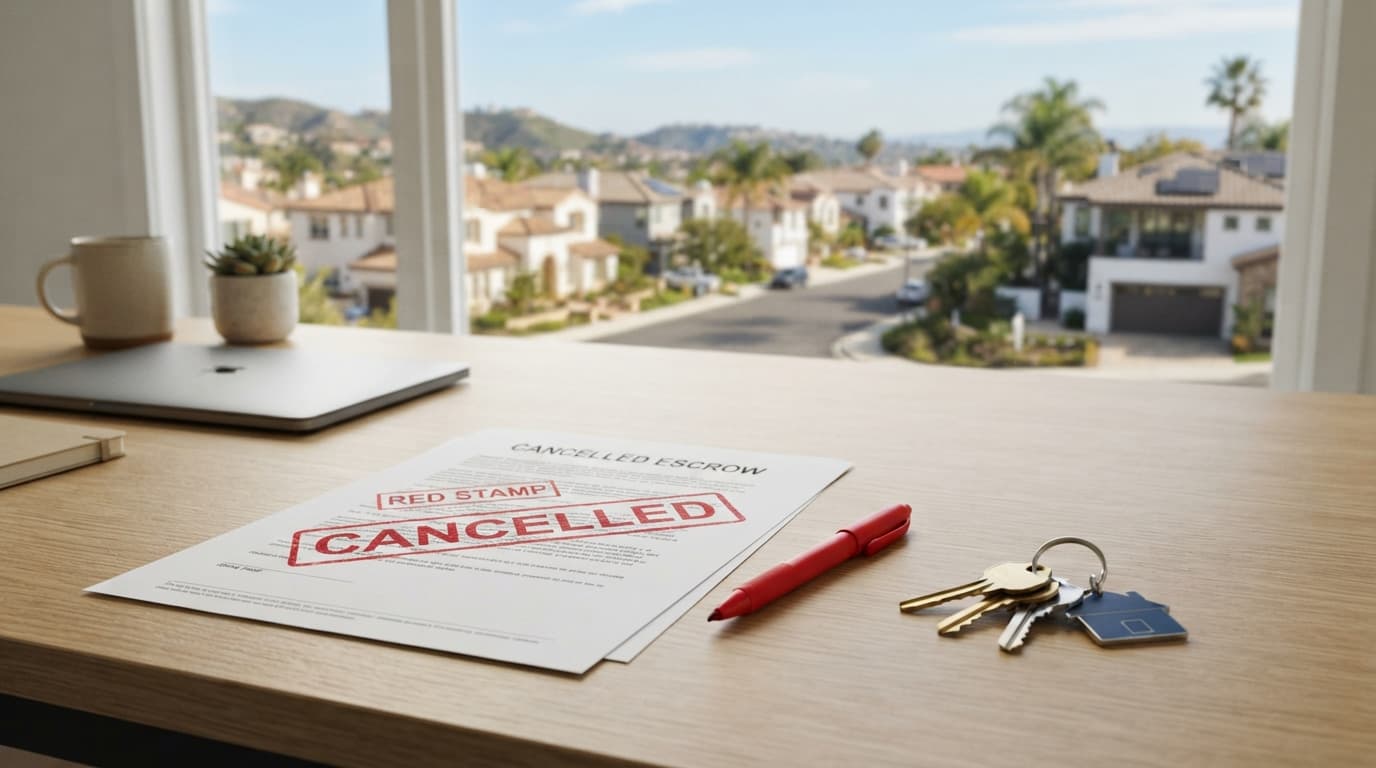
Unvetted Pre-Approvals: Why Offers Fail in Escrow
By Ben Cat · DRE #02030696 · NMLS #15970783 min read
A weak pre-approval can collapse a deal after weeks of work. Learn the red flags and the verification steps that protect both buyers and sellers.
A signed purchase contract feels like a finish line, but for many deals it is only the starting line. A meaningful share of contracts fall apart before closing, and financing problems are a leading cause. Many of those problems trace back to a pre-approval that was never properly vetted.
What Is an Unvetted Pre-Approval?
An unvetted pre-approval is an approval letter issued without full verification of the borrower's documents. It might be based on a soft credit check, self-reported income, or an automated system's preliminary findings. The letter may look official, but the underwriter has not examined the evidence behind it.
Red Flags to Watch For
Whether you are a buyer, seller, or agent, watch for these warning signs:
- The letter was issued within minutes, with no document review
- The lender is unfamiliar, hard to reach, or unwilling to discuss the file
- Income or asset amounts differ from what the buyer has told others
- Large recent deposits have not been explained or sourced
- The approval has no mention of underwriting or conditions
- The buyer is self-employed, but no tax returns or profit-and-loss statements have been reviewed
Why Deals Fail
When verification finally occurs after the contract is signed, problems emerge: income that cannot be documented, debts that were omitted, insufficient reserves, credit issues, or an appraisal that does not support the price. By then, the buyer may have spent money on inspections and an appraisal, and the seller may have taken the property off the market, losing valuable time.
Protecting Buyers
For buyers, the danger is losing your deposit or being forced into a bad loan. To protect yourself:
- Start with full verification: provide tax returns, pay stubs, and bank statements upfront.
- Disclose all debts and income sources honestly.
- Get an underwriter's conditional approval, not just an automated finding.
- Do not remove loan contingencies until the lender confirms that every condition is cleared.
- Keep your finances stable during escrow.
Protecting Sellers
Sellers can protect themselves by asking for more than a letter. Request a call between the listing agent and the buyer's lender, ask which documents were reviewed, and ask about the approval's conditions. Consider the strength of the whole offer, including the deposit size, contingency periods, and appraisal plans, instead of price alone. A slightly lower offer that has a verified approval may be less risky than a higher one with an unvetted letter.
Why Contingency Timing Matters
Loan contingencies give buyers the right to cancel if financing fails. In many contracts, removing them means the buyer's deposit is at risk if the loan then fails. Buyers should avoid removing contingencies before they receive written confirmation of final loan approval or clear-to-close status, and sellers should be aware of when those dates occur.
Appraisals and Property Issues
Even a perfect borrower cannot close if the property does not meet lender requirements. Low appraisals, title defects, or insurance problems can derail financing. Early inspections and a plan for appraisal gaps reduce the risk.
Choose the Right Lender
Work with a lender who communicates, explains the process, and has a track record of closing on time. Ask for references, and confirm that the lender can meet your contract deadlines.
A Buyer Readiness Checklist
Before writing an offer, confirm that your approval has been reviewed by an underwriter, your down payment and reserves are in verified accounts, and your lender has reviewed any large deposits. Ask how long the lender typically takes to fund, and confirm that your appraisal strategy is in place. This ten-minute review can prevent weeks of stress and protect the deposit you have worked hard to save.
Strengthen Your Position
Do not wait for a surprise in escrow. Verify your purchase power with an Underwritten Pre-Approval at benvcat.org, and Ben Cat will help you gather the right documents and build an approval that sellers trust.
This article is for general educational purposes and is not financial or legal advice. Ben Cat, DRE #02030696, NMLS #1597078, Century Financial Group, Corp., DRE #01930905.
- #escrow
- #pre-approval
- #contingencies
- #mortgage underwriting
- #offer strength
By Ben Cat, California Real Estate Salesperson (DRE #02030696) and Mortgage Loan Originator (NMLS #1597078), brokered by Century Financial Group, Corp. (DRE #01930905).
General information only, not legal, tax, or investment advice, and not an offer or commitment to lend. All loans are subject to credit and underwriting approval. Equal Housing Opportunity. Compare loan options · Disclosures.