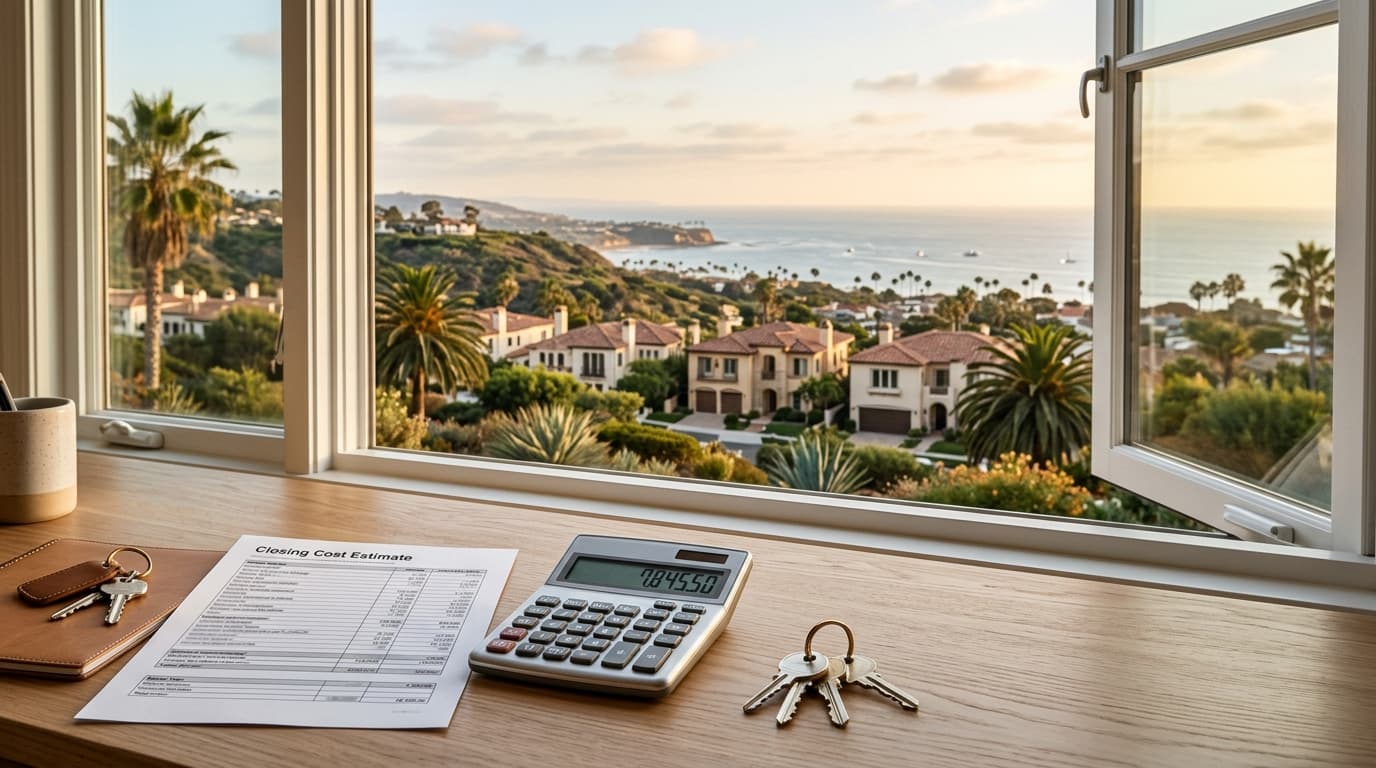
Property Tax and Closing Cost Line-Item Breakdown
By Ben Cat · DRE #02030696 · NMLS #15970783 min read
Closing costs do not have to be a mystery. This itemized guide explains escrow and title fees, lender costs, prepaids, and how California property tax and supplemental bills work.
Many buyers focus on their down payment and overlook the cash needed to close. Closing costs, prepaid items, and tax obligations add up, and not knowing them in advance creates stress. Itemizing each category helps you plan.
The Big Picture
Buyers often pay a total in the range of a few percent of the purchase price in closing costs, though the exact amount depends on the loan, the property, and negotiated credits. Your lender provides a Loan Estimate within a few business days of application and a Closing Disclosure before closing, so you can review the actual numbers.
Escrow and Title Fees
Escrow and title companies handle the transaction. Typical charges include:
- Escrow fees for managing documents and funds
- Title insurance premiums, including a lender's policy and, often, an owner's policy
- Recording fees paid to the county
- Notary or signing service fees
- Transfer taxes, which in many California counties are customarily paid by the seller, with local variations
Who pays each item is negotiated and customary practices vary by county, so confirm in your purchase agreement.
Lender Costs
Your lender may charge origination or underwriting fees, credit report fees, appraisal fees, and, if you choose, discount points to buy down your interest rate. Compare Loan Estimates from more than one lender to see the true cost, including the annual percentage rate.
Prepaids and Reserves
Prepaids are costs you pay in advance when you close:
- Homeowner's insurance premium, typically the first year
- Prepaid interest from closing date to the end of the month
- Property tax and insurance reserves held in escrow, if required
- HOA dues or transfer fees, for condos and planned communities
These are not fees to the lender but your own expenses paid early, so they are often higher than buyers expect.
California Property Tax Basics
Under Proposition 13, California property is generally taxed at a base rate of 1 percent of assessed value, and local voter-approved bonds, assessments, and special taxes bring the typical overall rate to roughly 1.1 to 1.25 percent or more, depending on location. The assessed value usually resets to the purchase price when property changes ownership, and it may increase by up to 2 percent a year after that.
Supplemental Tax Bills
When you buy a home, the county reassesses the property to its new value as of the date of purchase. If that value is higher than the previous assessment, you will receive one or more supplemental tax bills for the difference, prorated for the remaining part of the fiscal year. These bills are separate from the regular tax bill and are typically not paid through your mortgage escrow, so plan to pay them directly. Failing to anticipate them is a common source of post-closing surprises.
Ways to Reduce Cash to Close
Negotiate seller credits, shop title and escrow providers where permitted, compare lenders, consider lender credits in exchange for a slightly higher rate, and time your closing near the end of the month to reduce prepaid interest. Down payment assistance programs can sometimes help with closing costs as well.
Reading Your Closing Disclosure
Your lender must provide the Closing Disclosure at least three business days before closing. Compare it line by line with your Loan Estimate, check that credits are applied, and confirm that your name, loan amount, interest rate, and cash to close are correct. If anything changed, ask for an explanation right away. Catching an error early is far easier than correcting it at the signing table.
Know Your Number Early
Ask for a line-item estimate before you make offers, so you know how much cash you truly need. Generate a Line-Item Closing Cost Estimate at benvcat.org, and talk with Ben Cat about strategies for lowering your costs and avoiding surprises.
This article is for general educational purposes only. Fees and tax rates vary by property and county. Ben Cat, DRE #02030696, NMLS #1597078, Century Financial Group, Corp., DRE #01930905.
- #closing costs
- #property tax
- #escrow
- #title fees
- #supplemental tax bill
By Ben Cat, California Real Estate Salesperson (DRE #02030696) and Mortgage Loan Originator (NMLS #1597078), brokered by Century Financial Group, Corp. (DRE #01930905).
General information only, not legal, tax, or investment advice, and not an offer or commitment to lend. All loans are subject to credit and underwriting approval. Equal Housing Opportunity. Compare loan options · Disclosures.